
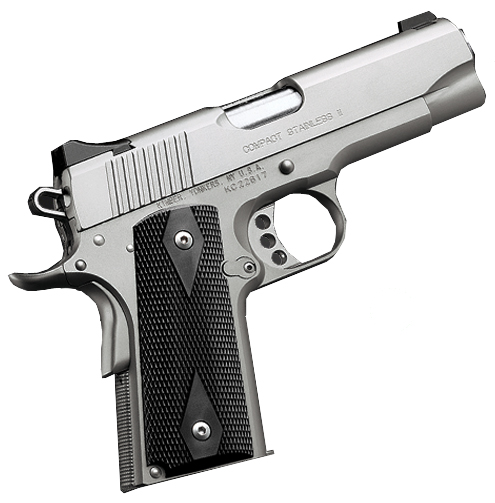
Ruger 57 Review: Ultimate High-Capacity 5.7x28mm Tactical Pistol
Welcome to our definitive Ruger 57 Review: Ultimate High-Capacity 5.7x28mm Tactical Pistol evaluation. Selecting a modern defensive or tactical firearm requires a serious look beyond the marketing hype. Specifically, when analyzing the 5.7x28mm platform, shooters frequently encounter split opinions regarding its viability. The Ruger 57 has emerged as a dominant contender in this space, promising high-capacity firepower paired with manageable ergonomics.
Before committing to this platform, you must understand that the 5.7x28mm cartridge functions differently than traditional handgun rounds like the 9mm or .45 ACP. Consequently, treating this firearm like a standard duty pistol without accounting for its unique operational profile can lead to mismatched expectations. Reading an in-depth Ruger 57 Review: Ultimate High-Capacity 5.7x28mm Tactical Pistol breakdown helps ensure you understand these distinct ballistic differences.
As a responsible gun owner, your gear must align with your operational needs. Whether you seek a flat-shooting range companion or a low-recoil defensive tool, understanding the baseline mechanics highlighted in this Ruger 57 Review: Ultimate High-Capacity 5.7x28mm Tactical Pistol ensures your investment serves a concrete purpose.
+------------------+-----------------------+
| Feature          | Specification         |
+------------------+-----------------------+
| Caliber          | 5.7x28mm              |
| Capacity         | 20+1 Rounds           |
| Barrel Length    | 4.94 Inches           |
| Weight (Empty)   | 24.5 Ounces           |
+------------------+-----------------------+
Before You Choose The Ruger 57: Understand This First
The integration of a high-capacity bottlenecked cartridge into a mainstream polymer pistol marks a major shift in modern handgun design. Specifically, the Ruger 57 delivers a shooting experience characterized by minimal muzzle flip and an exceptionally high velocity profile. For this reason, tactical shooters looking to maximize their effective engagement distance find the platform highly compelling.
However, maximizing this system means understanding how velocity influences terminal performance. Unlike heavy, slow bullets that rely on raw mass, the 5.7x28mm cartridge depends on speed to achieve optimal energy transfer. Consequently, choosing this platform requires a baseline commitment to sourcing quality ammunition that meets proper performance specifications.
Furthermore, the unique dimensions of the round mean that the grip profile of the pistol is inherently longer from front to back than a standard 9mm handgun. Fortunately, Ruger’s design team managed to keep the grip remarkably slim from side to side. As a result, the handgun feels natural in average-sized hands, but it still requires a conscious adjustment in hand placement to maximize control during rapid fire sequences. For this reason, checking out a comprehensive Ruger 57 Review: Ultimate High-Capacity 5.7x28mm Tactical Pistol overview helps clarify these operational realities before heading to the checkout counter.
What Most Shooters Get Wrong About This Platform
Debunking The “Poodle Shooter” Myth
A prevalent misconception in the firearms community is that the small caliber of the 5.7x28mm round lacks sufficient stopping power. Many critics dismiss it as a glorified rimfire round, which is a significant misunderstanding of high-velocity ballistics. Specifically, the round relies on velocity rather than raw mass to achieve its terminal effects.
Furthermore, when fired from the 4.94-inch barrel of the Ruger 57, the cartridge achieves velocities that create substantial hydrostatic shock. This mechanism causes predictable tumbling upon impact, which maximizes tissue disruption. Therefore, evaluating this round solely on projectile diameter ignores the actual physics of high-velocity trauma outlined in this Ruger 57 Review: Ultimate High-Capacity 5.7x28mm Tactical Pistol analysis.
The Realities Of Ammo Sensitivity
Another common error is assuming that the Ruger 57 will cycle any bulk ammunition flawlessly under pressure. Because the 5.7x28mm cartridge operates at higher pressures than typical handgun rounds, the firearm relies on a specific delay mechanism. Consequently, using subpar or out-of-spec remanufactured rounds can cause cycling failures.
To ensure ultimate reliability, shooters must avoid buying low-grade, untested reloads that compromise internal pressures. Investing in high-quality, factory-new ammunition is non-negotiable for anyone relying on this platform for serious field use or defensive readiness. You can explore options directly through our Premium Handgun Ammo Guide to see factory-verified selections.
The Metric That Actually Matters In The Field
Velocity Over Mass
In real-world tactical environments, the metric that truly dictates success is flat trajectory coupled with rapid follow-up capability. While a heavier bullet drops significantly over distance, the high-velocity 5.7x28mm round maintains an incredibly flat flight path. Specifically, this allows the shooter to make precise hits out to 50 yards and beyond with minimal holdover.
Trajectory Comparison (Approximate Drop at 50 Yards)
9mm Luger:      [============] 2.2 Inches
5.7x28mm:       [====] 0.5 Inches
As a result, engagement speeds increase because the shooter does not have to fight severe muzzle rise. The low recoil impulse ensures the sights track cleanly during rapid strings of fire, which matters immensely when performing under stress. This flat trajectory is why so many marksmen look to a Ruger 57 Review: Ultimate High-Capacity 5.7x28mm Tactical Pistol summary to verify its extended-range performance.
Capacity As A Safety Margin
Furthermore, field realities dictate that more rounds on hand equate to a higher margin of safety. Featuring a standard 20+1 capacity, the Ruger 57 provides a substantial firepower advantage without requiring extended, unwieldy magazines. For this reason, it excels as a perimeter defense weapon where multiple threats might be a factor.
Tactical Ergonomics And Controls
Controls Built For Stress
The Ruger 57 features an ambidextrous manual safety that mimics the familiar ergonomics of a 1911 pistol. Because muscle memory is vital during high-stress encounters, this layout permits intuitive operation for seasoned shooters. Additionally, the slide release and reversible magazine latch are easily reachable without disrupting a solid shooting grip.
The trigger features a clean, predictable break with a positive reset. Consequently, maintaining accuracy during rapid transitions becomes second nature, allowing you to focus completely on threat identification and sight alignment. For proper safety configurations, read our breakdown of Tactical Pistol Training Standards.
Slide Design and Optics Readiness
The slide is constructed with aggressive serrations to ensure positive manipulation even when wearing gloves or operating in wet conditions. Furthermore, the factory-drilled and tapped slide allows for easy optics integration. Mounting a high-quality red dot sight complements the flat-shooting nature of the cartridge perfectly, a standout feature noted in this Ruger 57 Review: Ultimate High-Capacity 5.7x28mm Tactical Pistol log.
Deep Dive Into Frame Design and Everyday Carry Options
Frame Engineering and Material Choice
The foundation of the Ruger 57 is its high-performance, glass-filled nylon frame, which optimizes structural integrity while shedding dead weight. Specifically, this composite material isolates internal components from external shock during demanding firing schedules. Furthermore, the molded texture across the front strap and back strap provides uniform friction across the palm.
Consequently, the frame doesn’t slip during rapid strings of fire, even when hands become slick with sweat or rain. By avoiding overly aggressive, sand-paper-like textures, Ruger created a chassis that remains comfortable during extended range training sessions while retaining a secure, functional hold under field pressure.
The Dynamics of Concealing a Full-Sized Platform
While the pistol is lightweight at just 24.5 ounces empty, its overall length of 8.65 inches places it firmly in the full-sized category. Therefore, choosing the correct holster and carry position is paramount if you intend to integrate this weapon into an everyday carry (EDC) setup. Specifically, high-quality inside-the-waistband (IWB) kydex holsters with built-in concealment claws offer the best results for masking the frame contour.
Furthermore, because the slide width is incredibly thin at only 1.20 inches, it prints less against clothing than bulkier duty weapons. For this reason, shooters who prioritize raw capacity over subcompact footprints frequently select the Ruger 57 for defensive carry, knowing that appropriate belt selection can easily neutralize the extra length of the grip frame.
Engineering Evolution: Ruger’s Secure Action System
The Internal Mechanics of the Fire Control Group
At the core of the Ruger 57 is the Secure Action fire control system, an architecture that bridges the gap between traditional single-action hammers and modern striker-fired designs. Specifically, this mechanism utilizes a protected internal hammer that is partially cocked by the cycling of the slide. Consequently, pulling the trigger requires very little mechanical energy to finish cocking and releasing the hammer.
As a result, the shooter experiences a short, smooth take-up that reaches a crisp, predictable wall. This design offers a significant advantage over mushy striker-fired triggers, allowing marksmen to squeeze off shots without disturbing their sight alignment.
Multiple Layers of Built-In Security
Safety in a defensive firearm is non-negotiable, particularly when dealing with a light, crisp trigger assembly. For this reason, the Secure Action system includes an integrated trigger safety blade that must be fully depressed before the trigger bar can move backward. Furthermore, a neutrally balanced sear features significant mechanical engagement, backed by strong spring tension to prevent accidental discharges from dropped impacts.
Additionally, a built-in internal hammer catch acts as a physical block, stopping the hammer from touching the firing pin unless the trigger is completely pulled through its cycle. These redundant features ensure that despite its fast, competition-like feel, the handgun maintains a high level of dropsafe security under harsh operational conditions.
Advanced Field Assembly and Maintenance Standards
Toolless Takedown Procedure
Maintaining a tactical firearm should never require a complex array of specialized workshop tools, especially when working in field environments. Specifically, the Ruger 57 employs a simplified takedown lever mechanism located on the left side of the frame. To field strip the weapon, the shooter simply locks the slide to the rear, verifies an empty chamber, and rotates the takedown lever downward.
Field Stripping Steps:
1. Lock slide back & verify empty chamber.
2. Rotate left-side takedown lever downward.
3. Release slide forward cleanly from frame.
Unlocking the frame as described in this Ruger 57 Review: Ultimate High-Capacity 5.7x28mm Tactical Pistol allows the slide assembly to slip forward smoothly without requiring a trigger pull during disassembly. This design reduces the risk of accidental negligent discharges during maintenance, proving that user safety remained a top priority throughout the product engineering phase.
Specialized Cleaning Requirements for High-Velocity Gas
Because the 5.7x28mm cartridge burns rifle-grade powder at high pressures, it leaves behind unique carbon deposits that require meticulous cleaning. Specifically, the gas blowback architecture vents residue near the chamber face and internal slide geometry. Therefore, shooters must use high-quality solvents that dissolve baked-on carbon without degrading the black nitride finish of the alloy steel barrel.
Furthermore, proper lubrication along the slide rails and hammer interface ensures consistent cycling speeds under cold weather conditions. Neglecting these high-friction points can lead to sluggish slide velocity, which impairs the delayed blowback timing required for reliable extraction.
Ballistic Realities: Selecting The Right Ammunition
Avoiding Defensive Failures
When preparing your loadout, understanding specific bullet types is critical. Specifically, standard full metal jacket (FMJ) rounds are exceptional for high-volume range training and establishing baseline proficiency. However, for defensive applications, utilizing jacketed hollow points (JHP) or polymer-tipped sporting rounds is highly recommended.
+--------------------+------------------------+-----------------------+
| Bullet Type        | Ideal Application      | Avoid For             |
+--------------------+------------------------+-----------------------+
| Full Metal Jacket  | Range Training         | Personal Defense      |
| Jacketed Hollow Pt | Personal Protection    | Budget Plinking       |
| Polymer Tipped     | Hunting / Small Game   | Extreme Deep Penetrat.|
+--------------------+------------------------+-----------------------+
Avoiding underpowered or inconsistent ammunition prevents short-cycling issues during critical moments. By selecting premium, factory-certified rounds, you guarantee that the firearm’s internal blowback system functions exactly as designed by the engineers.
Balancing Bulk Costs with Performance
Many shooters worry about the cost per round associated with the 5.7x28mm platform. While it is true that this caliber costs more than basic 9mm, buying in bulk mitigates seasonal price spikes and supply chain constraints. Therefore, purchasing bulk training inventory allows you to maintain proficiency without compromising your defense stock. Review our comprehensive pricing charts on the Bulk Ammunition Purchase Page to plan your logistics.
Real-World Range Metrics: Accuracy and Recoil Mitigation
Precision At Extended Pistol Ranges
On the firing line, the Ruger 57 separates itself from standard duty calibers through its extreme accuracy potential. Specifically, because the 40-grain projectile leaves the muzzle at speeds exceeding 1,700 feet per second, it spends very little time inside the barrel before departing toward the target. This rapid barrel exit limits the impact of human error, such as wrist flinching or improper follow-through.
As a result, professional testers consistently record tight, sub-two-inch groupings at 25 yards right out of the box. Furthermore, the inclusion of a factory fiber-optic front sight allows for rapid ambient light collection, giving shooters a clear, high-contrast point of aim that excels against dark targets.
The Absence of Muzzle Flip
The most striking element of shooting the Ruger 57 is the distinct lack of vertical muzzle rise. Traditional defensive calibers like .40 S&W or 9mm +P generate significant rotational force that snaps the muzzle upward, forcing the shooter to actively rebuild their sight picture between shots. Conversely, the 5.7x28mm cartridge generates a linear, rearward push that travels straight into the meat of the hand.
Consequently, the fiber-optic front sight barely tracks out of the rear sight notch during rapid-fire sequences. For this reason, defensive shooters can dump multiple rounds into a threat area in half the time it takes with a standard caliber, a strength frequently validated in any hands-on Ruger 57 Review: Ultimate High-Capacity 5.7x28mm Tactical Pistol track.
Tactical Accessories and Customization Integration
Maximizing the Picatinny Accessory Rail
The dust cover of the Ruger 57 features an integrated, full-length Picatinny-style accessory rail designed to host duty-grade tactical lights and laser targeting systems. Specifically, mounting a heavy weapon light like a SureFire X300 or Streamlight TLR-1 HL balances the front end of the polymer frame beautifully. This added forward weight stabilizes the pistol even further during high-speed drills.
Furthermore, a frame-mounted white light is a critical addition for positive threat identification in low-light home defense environments. The standardized rail geometry ensures solid lockup, preventing the light from shifting forward under the vibration of high-velocity muzzle blast.
Red Dot Mounting and Mechanical Cowitness
The slide of the Ruger 57 is drilled and tapped directly from the factory, simplifying the process of adding miniature red dot sights (MRDS). By utilizing available adapter plates, marksmen can mount popular optics footprints such as the Trijicon RMR, Vortex Venom, or Holosun 507C. Utilizing an electronic dot reticle capitalizes perfectly on the 50-yard effective range of the flat-shooting cartridge.
Additionally, shooters can install elevated iron sights that provide a mechanical backup view through the optic window. This redundancy ensures that if the electronic battery fails during a critical defensive encounter, the shooter can transition instantly to the physical sights without losing a fraction of a second.
Supply Chain Awareness: Why Stocking Up Matters
The firearms market remains highly sensitive to logistics disruptions and sudden spikes in demand. Because the 5.7x28mm is a specialized caliber, it is often among the first to experience inventory shortages during market panics. Consequently, waiting until a supply crunch occurs usually forces shooters to accept subpar, expensive options.
Securing a robust supply of premium ammunition ensures your platform remains operational when it matters most. Responsible preparedness means maintaining an inventory that insulates you from retail shortages and logistical bottlenecks. This operational certainty is why this Ruger 57 Review: Ultimate High-Capacity 5.7x28mm Tactical Pistol emphasis remains focused on bulk availability.
Furthermore, bulk buying establishes a predictable baseline of ammunition performance. Shifting between different factory loads during a supply shortage alters your point of impact due to variations in velocity. By acquiring a single, large lot of matching bulk ammunition, you ensure consistency across your training cycles and defensive loadouts.
FAQ: Common Questions About The Ruger 57 Review: Ultimate High-Capacity 5.7x28mm Tactical Pistol
Is the Ruger 57 reliable enough for home defense?
Yes, the Ruger 57 is highly reliable for home defense provided it is maintained properly and loaded with premium, factory-new defensive ammunition. Its 20+1 capacity and exceptionally low recoil make it highly controllable for all family members under stress.
How does the recoil of the Ruger 57 compare to a standard 9mm?
The recoil of the Ruger 57 is roughly half that of a standard compact 9mm pistol. Because the 5.7x28mm cartridge pushes a lighter bullet at higher speeds, the recoil force is pushed straight back rather than flipping the muzzle up, allowing for faster follow-up shots.
Can the Ruger 57 shoot all brands of 5.7x28mm ammunition?
The Ruger 57 is designed to cycle standard factory-loaded 5.7x28mm ammunition from reputable manufacturers. However, shooters should avoid using low-quality remanufactured ammunition or out-of-spec reloads, as the platform’s delayed-blowback system requires consistent factory pressures to cycle reliably.
Does the Ruger 57 require an optics plate to mount a red dot?
Yes, while the billet steel slide is factory drilled and tapped, mounting an optic requires a specific adapter plate tailored to your red dot’s footprint. These plates are readily available and allow a secure, low-profile interface for major optics brands.
Disclaimer: Ammunition selection, firearm ownership, and self-defense applications carry inherent responsibilities. Always verify your specific firearm manufacturer’s guidelines regarding pressure ratings and specifications before loading new defense or training rounds. Ensure all purchases comply with your localized state, county, and municipal regulations. BulkAmmoSupplyUSA does not provide legal counsel.
Conclusion: Making a Smart Investment in Your Tactical Setup
Ultimately, the Ruger 57 stands out as an exceptionally engineered, high-capacity tactical pistol that delivers flat-shooting precision and rapid target acquisition. By understanding the ballistic advantages of the 5.7x28mm round and pairing it with high-grade ammunition, you unlock a level of performance that traditional calibers simply cannot replicate. Investing in this platform is a clear commitment to modern, capable defensive technology.
To guarantee your platform is always ready for the field, the range, or home defense, securing your ammunition supply ahead of time is paramount. Do not wait for supply line disruptions to dictate your readiness.
Browse BulkAmmoSupplyUSA’s In-Stock 5.7x28mm Ammunition Inventory and secure your bulk supply today.