
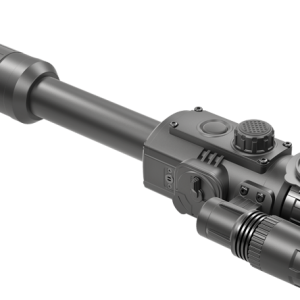
agricultural zone hunting
PRODUCT SHORT DESCRIPTION
Unlock high-success harvest strategies using our comprehensive agricultural-zone-hunting-guide built for modern field sportsmen. This technical reference manual maps out exactly how to read nutritional food sources, track edge habitat patterns, and secure local land access legally. Review our digital resource details below to sharpen your tactical approach before your next tracking trip out into the field.
Agricultural Zone Hunting Guide: Farmland Game Tracking Tactics
If you want to maximize your seasonal harvest success rates, executing a calculated plan across active working farm properties can turn into a complex challenge for high-volume game hunters. An authentic agricultural-zone-hunting-guide strategy layout must address how pressure variables, heavy machinery sounds, and seasonal crop harvesting shifts alter local wildlife movement patterns. If your current scouting regimen demands a deep understanding of natural edge lines, bedding layouts, and standing food sources, tracking these micro-habitats provides exceptional woodcraft advantages right out of the gate. Our regional information portal updates field data rapidly due to high demand from land managers nationwide, making structural planning essential to optimize your approach before opening day arrives.
Private Land Hunting Strategies Across Active Croplands
When finalizing where to position your field setups across private cropland boundaries, choosing an analytical spatial strategy ensures reliable wildlife sightings. Utilizing private-land-hunting-strategies allows sportsmen to identify how game species utilize standing corn fields, clover edges, and hidden drainage ditches safely.
Our resource network uses verified tracking methodologies to help sportsmen interpret shifting field conditions across rural areas seamlessly. For those looking to understand the intersection of farming and wildlife, the National Deer Association provides extensive resources on how managed habitats affect deer health and movement. Once your terrain evaluation process finishes, your team can target transition funnels with absolute spatial confidence.
Edge Habitat Stand Placement Along Food Source Corridors
-
Alfalfa Field Hunting Setups: Maps out how game trails transition directly from heavy timber blocks into nutrient-dense forage areas for evening feeding patterns.
-
Low Impact Field Entry: Teaches low-impact approach routines that utilize farm machinery trails to reach stands without alerting resident herds.
-
Grain Field Game Patterning: Uses standard agricultural schedules to track exactly when species will feed based on planting and harvesting cycles.
-
Edge Habitat Stand Placement: Highlights the natural visual borders where dense brush meets open cultivated rows, creating perfect travel highways.
-
Crop Damage Permit Hunting: Positions sportsmen as helpful land management partners who assist working farmers by safely reducing excessive crop depletion pressures.
Frequently Asked Questions About Farmland Game Tracking
How do active harvesting operations alter standard wildlife movement?
Sudden machinery activity temporarily pushes game into nearby secondary cover blocks, but herds return quickly to feed on grain left behind by tractors.
What is the best ground blind setup for wide open crop rows?
Blending your concealment system directly into existing fence rows, center-pivot irrigation structures, or rock piles prevents spooking wary target animals.
Secure Landowner Access Permission and Property Rules
How should sportsmen approach local farmers to request private land access permission?
Presenting yourself professionally, offering to assist with property chores, and highlighting your strict adherence to safety guidelines maximizes your access success rate. You can find templates for land access agreements on the American Farm Bureau Federation website.
Do seasonal crop changes affect bedding layout choices?
Yes, high-standing crops like field corn offer excellent structural security, causing wildlife to bed directly inside the fields until harvest operations begin.
Where can hunters verify local crop damage permit regulations online?
Detailed regulatory frameworks, legal season parameters, and authorized harvest boundaries reside directly on your main state wildlife management portal via the Association of Fish & Wildlife Agencies.
Fence Row Ground Blind Logic and Strategic Stand Placement
Perfecting a clean entry and exit strategy across active pasture blocks requires highly accurate wind awareness that prevents scent streams from drifting into main food plots. This tactical approach utilizes natural woodlots and creek bottoms to shield your movements from long-range observation.
The authentic landscape layout helps sportsmen arrange highly effective hanging stand locations or ground blind groupings easily. Because local herd densities monitor field edge visibility variations closely, positioning your platform inside the timber shadow line mirrors natural landscape contours reliably. This intense focus on environmental variables ensures your field set stays fully concealed from nearby game trails.
Why Sportsmen Prefer Working Farm Wildlife Management Over Deep Wilderness
Experienced outdoorsmen prefer active farm properties over vast public wilderness expanses because cultivated fields offer superior wildlife carry capacities. The dense concentration of high-protein agricultural forage creates healthy local populations with highly predictable daily travel habits. Sportsmen can research local conservation programs via the Natural Resources Conservation Service (NRCS) databases to study how sustainable farming practices improve regional game habitats.
Tracking Crop Rotation Patterns for Long Term Success
Furthermore, this management style functions as a durable framework for multi-season property development due to its reliance on stable crop rotations. The structural diversity of a working farm gives handlers an accurate sense of wildlife patterns, making it an excellent resource for youth mentorship programs or corporate outdoor retreats. It remains a premier choice for individuals who respect land ethics and prioritize safe, sustainable hunting habits.
Implement Your Farmland Game Tracking Tactics Today
Do not allow unexpected weather patterns or sudden agricultural changes to interfere with your upcoming tracking schedules or scouting goals. Implement your detailed agricultural-zone-hunting-guide principles today to secure your optimal field positions before seasonal crop picking alters local herd behavior. Simply input your target terrain parameters into your digital planning mapping system, and execute your field setup cleanly.
Conclusion
The combination of nutrient-rich food plots, predictable harvesting cycles, and strategic edge cover provides an exceptional outdoor presentation experience. Sourcing your tactical data from an analytical platform gives you access to competitive woodcraft insights, rapid patterning adjustments, and a completely ethical field approach. Elevate your property scouting layout by securing your premium tactical layout today before opening day begins!
Disclaimer
“Hunting in agricultural zones must be conducted in strict accordance with federal, state, and local game laws. Always secure explicit written landowner permission before entering private property, and maintain legal distances from occupied farm structures and livestock