Is Buying Ammo in Bulk Actually Worth It? The Real Math Behind the Cases
Every high-volume shooter reaches a point where they stare at their mounting receipts and ask themselves a critical question. Is Buying Ammo in Bulk Actually Worth It? The Real Math Behind the Cases reveals the true value of high-volume purchasing. Whether you are training for tactical competitions, maintaining professional duty readiness, or simply spending your weekends running drills, the cost of ammunition is consistently the largest recurring expense in your shooting budget.
When you browse online storefronts, the initial price tag on a full 1,000-round case of rifle or pistol ammunition can cause immediate sticker shock. It forces an immediate calculation: is dropping several hundred dollars at once truly saving you money, or are you simply tying up your capital in heavy boxes sitting on your garage shelves?
To determine the real-world value of case quantities, you have to look past the surface price. Evaluating whether buying ammo in bulk is actually worth it requires analyzing the exact cost-per-round mathematics, factoring in freight logistics, and understanding the market forces that drive ammunition availability.
The Mathematics of the Cost-Per-Round (CPR) Calculation
The single most important metric in ammunition logistics is Cost-Per-Round (CPR). Evaluating a purchase based on the total box price is a classic consumer trap because box counts vary widely between manufacturers, running anywhere from 20 to 50 rounds per package.
To find the true baseline value, divide the total price of the package by the exact number of cartridges inside. The formula looks like this:
When you purchase ammunition in standard 20-round retail boxes, you pay a steep premium for the individual packaging, labeling, and retail handling overhead. Manufacturers factor the labor and material costs of those small cardboard boxes and plastic trays directly into the retail price.
By contrast, bulk cases dump loose rounds directly into a heavy-duty polymer bag inside a single cardboard container, or line up boxes efficiently within a sealed metal crate. This production efficiency slashes manufacturing overhead, a discount that is passed directly to the buyer through a lower baseline CPR. Over a thousand rounds, saving just five to ten cents per trigger pull translates into an extra fifty to one hundred dollars left in your wallet.
(Insert Image 1 Here – Alt Text: Is Buying Ammo in Bulk Actually Worth It? The Real Math Behind the Cases broken down by cost per round.)
Shipping Logistics: The Hidden Variable in Bulk Pricing
Many shooters hesitate to buy in bulk because ammunition is heavy, and shipping heavy lead and brass across the country can quickly erode your upfront savings if you plan poorly. A standard case of 1,000 rounds of 9mm ammunition weighs roughly 27 to 30 pounds, while a case of .223 Remington or 5.56x45mm NATO scales in at around 26 to 28 pounds.
If you purchase only two or three individual boxes online, the flat-rate courier shipping charges will skyrocket your actual CPR, frequently making the online transaction more expensive than walking into a local retail shop.
+--------------------------+-----------------------+-----------------------+
| Sourcing Strategy        | Upfront Product Cost  | Freight Impact on CPR |
+--------------------------+-----------------------+-----------------------+
| Single Box Sourcing      | Moderate to High      | Extremely High Drag   |
| Multi-Case Sourcing      | Maximized Discount    | Diluted / Minimized   |
+--------------------------+-----------------------+-----------------------+
The secret to maximizing your return on investment is diluting the freight impact across a massive volume of ammunition. Courier services charge a baseline fee just to pick up and process a parcel, regardless of weight.
When you step up to a full case or multi-case order, that baseline shipping fee is spread thin across hundreds of individual rounds, dropping the shipping cost per cartridge to fractions of a penny. Furthermore, high-volume e-commerce storefronts frequently unlock flat-rate or completely free shipping tiers once your order hits specific wholesale price brackets, completely eliminating the freight penalty.
Market Volatility and Inflation Hedging
Ammunition is a raw commodity, meaning its retail price is directly tethered to the volatile global supply chains of copper, lead, brass, and nitrocellulose propellants. Historically, the ammunition market experiences dramatic supply squeezes and rapid price spikes driven by geopolitical events, shifts in import regulations, and sudden surges in domestic consumer demand.
During these market crunches, individual retail shelves are stripped bare almost instantly, and the remaining single boxes skyrocket in price due to localized scarcity.
Ammunition does not spoil if it is kept away from moisture. Evaluating your inventory through the lens of Is Buying Ammo in Bulk Actually Worth It? The Real Math Behind the Cases protects your training budget against inflation.
Buying in bulk when the market is stable allows you to build an administrative buffer at the lowest possible price point. By securing your supply early, you effectively insulate your shooting schedule from future economic shocks or political panics, ensuring you can continue hitting the range while others are priced out or facing strict limits at the retail counter.
Understanding Manufacturing Tiers: Bulk Loose vs. Boxed Cases
When shopping for 1,000-round lots online, you will generally run into two distinct packaging variations: loose-packed cases and boxed cases. Understanding how these structural configurations alter the physical footprint and pricing structure of your delivery helps you choose the correct option for your storage setup.
Loose-Packed Wholesale Quantities
Loose-packed options bypass individual commercial boxes entirely. The factory drop-feeds a precise weight or count of cartridges directly into a heavy polymer liner inside a reinforced double-wall cardboard exterior box.
-
The Cost Advantage: Because the manufacturer saves massive amounts of time on automated packaging machinery lines, loose-pack options consistently yield the absolute lowest baseline cost-per-round available on the commercial market.
-
Volume Space Savings: Without internal cardboard partitions, air pockets, or plastic trays, a loose-packed case takes up significantly less total physical volume on your reloading bench or gun room shelf.
-
The Drawback: Transporting loose ammunition to the range requires you to dump the rounds into an individual field bag or range tray, as you don’t have small 50-round packages to toss into a pocket.
Boxed Cases (The “Case Within a Case”)
A boxed case consists of a master distribution shipping container packed full of standard retail units—typically twenty 50-round boxes for pistol cartridges or fifty 20-round boxes for rifle calibers.
-
The Logistics Advantage: Boxed options are incredibly clean to track and manage. If your training schedule calls for firing precisely 150 rounds during an afternoon session, you can simply pull exactly three boxes from your master case and head out the door.
-
Secondary Resale and Trade Value: Because the individual packaging remains factory-sealed, boxed cases retain superior institutional value if you ever choose to trade, sell, or split a high-volume purchase with a shooting partner.
-
The Cost Overhead: You will occasionally pay a minor markup (usually one to two cents more per round) compared to loose-packed alternatives to offset the extra materials used in production.
Caliber-Specific Analysis: Is Buying Ammo in Bulk Actually Worth It? The Real Math Behind the Cases
Not all calibers yield the exact same return on investment when purchased by the case. The absolute monetary layout savings scale relative to the raw volume of material utilized in the manufacturing process and the absolute consumption rates of the shooter.
9mm Luger and Defensive Pistol Cartridges
As the most widely consumed centerfire handgun caliber in the world, 9mm yields incredibly consistent bulk benefits. High competition means wholesale margins are razor-thin, allowing savvy buyers to snap up full cases with minimal retail markup. Because pistol training requires high-volume repetition, the rapid accumulation of minor box-level savings justifies a case purchase inside a few weeks of range work.
.223 Remington / 5.56x45mm NATO
Rifle cartridges consume more copper and brass than handgun rounds, causing their individual box prices to feel substantially heavier. Sourcing 5.56mm NATO by the case is the primary defensive method used by carbine instructors to insulate their training schedules against copper commodity spikes. The bulk discount margin on rifle calibers often allows you to buy premium lacquered or sealed-primer mil-spec variants for the same price as standard commercial range grade lines.
Precision Rifle and Match Grade Specialization
For long-range shooters running calibers like 6.5 Creedmoor, .308 Winchester, or .300 PRC, buying in bulk serves a critical technical purpose beyond raw financial savings: lot consistency. Every distinct manufacturing run of factory ammo uses a specific batch of powder and a single machine tooling setup.
By purchasing a complete master case of match-grade cartridges, you guarantee that all 500 or 1,000 rounds share the exact same manufacturing lot number. This eliminates micro-variations in muzzle velocity across your entire inventory, allowing you to establish highly accurate ballistics charts out to extreme distances without worrying about shifting impact points between different boxes.
Bulk Ammo Storage: Preserving Your Technical Investment
A common concern among shooters considering a bulk purchase is shelf life. Will a thousand rounds of ammunition maintain its physical structural integrity and performance matrix if it sits in a closet for years?
The short answer is yes—modern non-corrosive centerfire ammunition is incredibly resilient and possesses an official shelf life that spans decades, provided you manage three core environmental variables:
1. Moisture Control
High humidity is the primary enemy of ammunition, capable of oxidizing brass cases and potentially degrading primer mixtures over extended timelines. When ammunition corrodes, the rough exterior surface introduces severe chamber friction that can lead to catastrophic failure-to-extract errors during cycling.
2. Temperature Consistency
Drastic temperature swings cause condensation to form inside sealed spaces. Store your inventory in a temperature-controlled area rather than an uninsulated backyard shed or car trunk, where daytime heat cycles can bake the propellant compounds and alter burning rates over long horizons.
3. Physical Protection
Heavy cardboard containers can weaken over time if they absorb ambient air moisture, potentially causing the bottom to drop out during transport. Keeping your bulk containers elevated off bare concrete floors protects the packaging from absorbing rising ground moisture.
+----------------------+----------------------+----------------------+
| Storage Parameter    | Target Safe Zone     | Risk Condition       |
+----------------------+----------------------+----------------------+
| Relative Humidity    | Below 50%            | Above 70% (Corrosion)|
| Temperature Range    | 55°F to 75°F         | Above 100°F (Degrade)|
| Container Seal       | Gasket Sealed Metal  | Open Air Cardboard   |
+----------------------+----------------------+----------------------+
To protect your investment, transfer bulk rounds into heavy-duty polymer or military-surplus metal ammo cans fitted with functional rubber gaskets. Dropping a few rechargeable silica gel desiccant packs into the container actively strips residual moisture from the air, creating a hermetically sealed environment that keeps your ammunition factory-fresh for a lifetime.
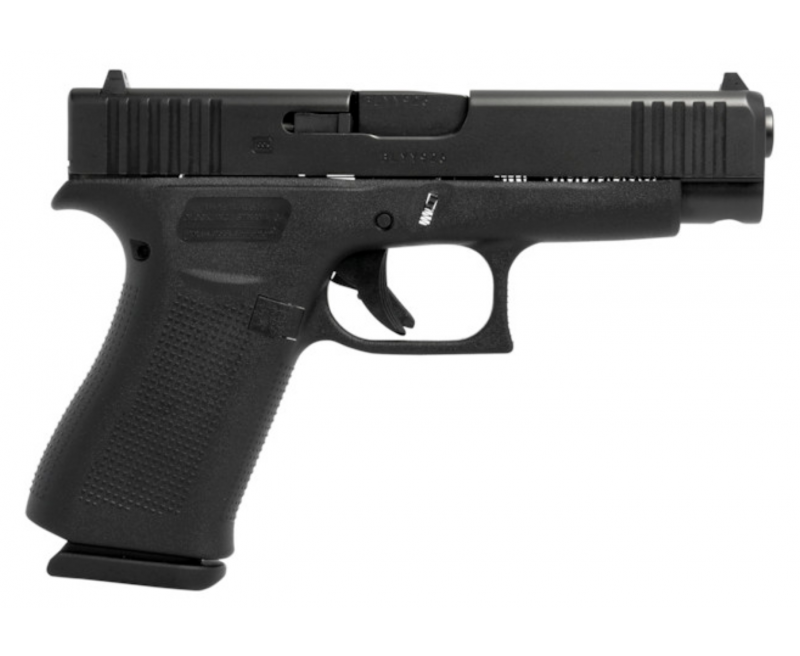
(Insert Image 2 Here – Alt Text: Storing inventory safely to prove if Is Buying Ammo in Bulk Actually Worth It? The Real Math Behind the Cases.)
FAQ: Is Buying Ammo in Bulk Actually Worth It? The Real Math Behind the Cases Explained
Is it legal to have bulk ammunition shipped directly to my residential door?
In the vast majority of states, federal law permits ammunition to be shipped directly to your residence via standard ground couriers. However, specific states and local municipalities have enacted strict local restrictions requiring online orders to be routed through a licensed local dealer, or requiring valid state permits or background checks to buy online. Always review your local legislative framework before completing a purchase.
What is the ideal break-even point for a bulk ammunition purchase?
For high-volume calibers like 9mm, .223 Remington, and .22 Long Rifle, the clear financial break-even point occurs at the 1,000-round case mark. At this volume, manufacturing discounts scale up dramatically, and freight costs drop to their lowest relative percentage of the total transaction value.
Do bulk loose-packed rounds perform as well as boxed ammunition?
Yes. Loose-packed bulk ammunition is pulled directly from the exact same factory production lines as individual retail boxes. The only difference is the final packaging configuration. The bullets, casings, primers, and powder drops are structurally identical, providing the exact same accuracy, velocity, and pressure characteristics.
Should I buy bulk steel-cased ammo or stick exclusively to brass?
Steel-cased ammunition is generally cheaper upfront and functions perfectly well for high-volume target practice in modern, robust rifles. However, brass cases offer superior sealing properties within the chamber, produce less structural wear on your extractor components, and are entirely reloadable, adding substantial long-term value for handloaders.
How can I verify the manufacturing lot number on bulk shipments?
On boxed cases, the factory stamps the lot number directly onto the side of the master shipping box and on the inside flap of every individual retail box. For loose-pack configurations, the lot code is typically printed on a packing slip enclosed within the heavy-duty inner polymer liner bag.
Can I mix different calibers inside a single bulk order?
Absolutely. High-end e-commerce suppliers allow you to bundle multiple individual calibers into a single large transaction block. This strategy allows you to build a comprehensive training inventory across your handguns and rifles simultaneously while still qualifying for high-volume order tiers or free shipping thresholds.
Disclaimer: Ammunition handling, transport, and long-term storage carry inherent safety and legal responsibilities. Always verify your state and local regulations regarding residential storage limits, transport permits, and purchasing age requirements. Ensure all custom storage setups comply with your localized fire codes. BulkAmmoSupplyUSA does not provide local legal counsel.
Conclusion: Simplifying Your Shooting Logistics
Ultimately, analyzing the real math reveals that buying ammo in bulk is not an unnecessary luxury—it is the most practical way to support a consistent training routine. By cutting out retail packaging markups, diluting shipping overhead, and establishing a robust reserve, you secure the lowest possible cost-per-round while protecting your budget from unpredictable market spikes.
To eliminate the variables of retail scarcity and logistics delays from your schedule, securing a dedicated supply of match-grade or training rounds ensures your platform remains operational whenever you need it.
Check out BulkAmmoSupplyUSA’s In-Stock Bulk Ammunition Cases Inventory to lock in your volume discount and secure your training supply today.