
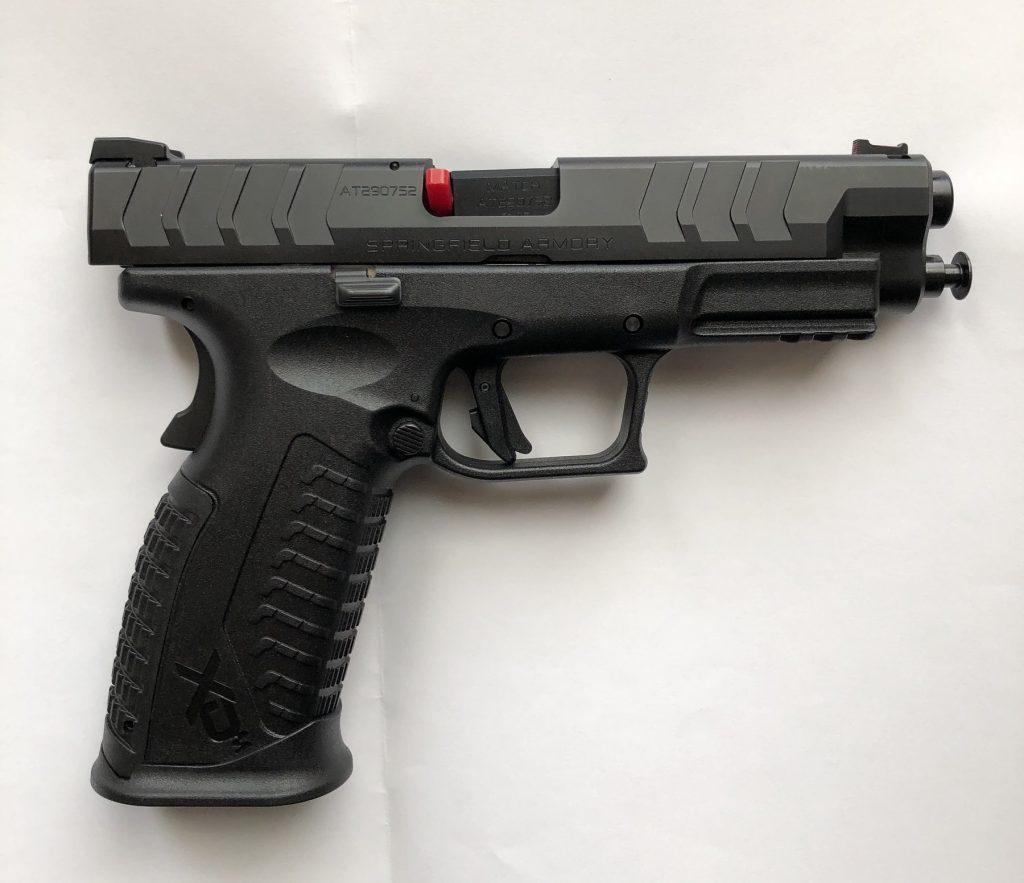
Before You Choose top handgun ammo for self-defense: Understand This First
Finding the absolute top handgun ammo for self-defense is one of the most critical decisions you will make as a responsible firearm owner. Your choice directly impacts terminal performance, firearm reliability, and ultimately, your personal safety. Consequently, this decision requires a deep understanding of how defensive cartridges operate in dynamic situations. Many shooters mistakenly treat defensive ammunition as a secondary concern, assuming any standard cartridge will suffice during an emergency.
In reality, specialized defensive loads are engineered to perform under strict parameters that standard target ammunition cannot replicate. Specifically, premium defensive rounds are designed to maximize physiological stopping power while simultaneously mitigating risks to innocent bystanders. For this reason, selecting premium carry rounds involves evaluating complex ballistic data rather than relying on marketing jargon.
Furthermore, you must recognize that your handgun and your ammunition function as an interdependent system. A high-quality pistol will fail if loaded with subpar or incompatible cartridges; conversely, premium ammunition cannot salvage a poorly maintained firearm. Therefore, establishing a baseline understanding of terminal ballistics and mechanical compatibility is paramount before investing in a specific defense load.
What Most Shooters Get Wrong About top handgun ammo for self-defense
The civilian firearm market is saturated with persistent myths surrounding defensive ammunition performance. Specifically, the concept of “stopping power” is frequently misunderstood, leading many individuals to select calibers or bullet designs based on cinematic tropes rather than scientific data. Handguns, regardless of caliber, lack the kinetic energy to neutralize threats through hydrostatic sock alone. As a result, reliance on raw caliber size without considering bullet engineering is a significant tactical error.
Another prevalent misconception is that full metal jacket (FMJ) target ammunition is acceptable for personal protection. While FMJ rounds are highly cost-effective for high-volume range practice, they pose severe operational liabilities in a defensive scenario. Because FMJ projectiles do not expand upon impact, they routinely overpenetrate human tissue. Consequently, the bullet can exit the target with sufficient velocity to strike unintended objects or individuals behind the threat.
Critical Operational Liability: Full metal jacket (FMJ) ammunition passes through targets without expanding, retaining dangerous velocity that threatens innocent bystanders behind the threat zone.
Conversely, some shooters gravitate toward exotic, ultra-lightweight projectiles promising extreme velocities and explosive fragmentation. While these marketing claims sound impressive, real-world testing frequently reveals that these boutique rounds fragment prematurely upon striking superficial barriers. This premature fragmentation prevents the projectile from reaching vital organs, resulting in insufficient terminal performance. Thus, adhering to proven, scientifically validated bullet designs is always the wisest course of action.
The Metric That Actually Matters For top handgun ammo for self-defense
When analyzing premium defense loads, the absolute metric that dictates field success is consistent penetration coupled with controlled expansion. To standardize these measurements, the Federal Bureau of Investigation (FBI) established rigorous ballistic gelatin testing protocols. Specifically, a defensive projectile must penetrate between 12 and 18 inches into calibrated 10% ballistic gel to be deemed acceptable for duty use.
This 12-to-18-inch window ensures that the bullet can pass through intervening anatomical structures, such as an attacker’s arm, and still reach vital organs to stop the threat. Underpenetration leads to superficial wounding, which fails to neutralize an aggressive adversary quickly. On the other hand, overpenetration risks exiting the target entirely, creating severe liability issues in crowded environments.
For this reason, high-quality Jacketed Hollow Point (JHP) ammunition remains the industry benchmark. When a JHP bullet impacts a fluid-dense medium, hydraulic pressure forces the hollow nose cavity to expand outward. Consequently, this expansion increases the bullet’s frontal surface area, creating a larger permanent wound cavity while simultaneously braking the projectile to prevent overpenetration.
Evaluating Top Handgun Calibers for Real-World Pressure
The Omnipresent 9mm Luger
The 9mm Luger is currently the most widely adopted defensive handgun caliber across law enforcement and civilian sectors alike. Specifically, modern advancements in propellant chemistry and bullet design have closed the historical performance gap between the 9mm and larger calibers. As a result, modern 9mm JHP rounds offer exceptional penetration and reliable expansion while maintaining highly manageable recoil characteristics.
Furthermore, the modest physical dimensions of the 9mm cartridge allow for higher magazine capacities within compact and subcompact handguns. This increased capacity provides a distinct tactical advantage during prolonged engagements. For this reason, top-tier loads like Federal HST or Speer Gold Dot in 9mm are highly recommended for daily carry profiles.
The Proven .45 ACP
For shooters who prefer a heavier projectile, the .45 ACP remains a legendary choice rooted in over a century of combat history. Because the .45 ACP operates at lower pressures and utilizes naturally heavy bullets, it creates substantial permanent wound tracks even before expansion occurs. Consequently, when paired with premium modern hollow-point engineering, its terminal performance is undeniably devastating.
However, the physical size of the .45 ACP cartridge naturally limits magazine capacity in standard handguns. Additionally, the increased recoil impulse requires significant grip strength and training to master rapid follow-up shots. Specifically, for home defense platforms where firearm size is less constrained, the .45 ACP remains an incredibly potent tool.
The Balanced .40 S&W
Introduced as a compromise between the high capacity of the 9mm and the heavy mass of the .45 ACP, the .40 S&W remains a formidable defensive option. It delivers excellent barrier penetration, making it a historically popular choice among law enforcement agencies that must shoot through automotive glass. For this reason, individuals prioritizing vehicular defense often gravitate toward this platform.
Nevertheless, the .40 S&W exhibits a characteristically sharp, snappy recoil impulse that many shooters find challenging to manage. As a result, training split times can slow down compared to the smoother 9mm platform. Buying bulk .40 S&W defense rounds ensures you can affordably train past this snappiness to achieve true proficiency.
Premium Bullet Designs for top handgun ammo for self-defense
Federal Premium HST
Federal HST is widely regarded by tactical instructors as one of the single best options among the top handgun ammo for self-defense. Specifically, its unique, pre-skived bullet tip ensures the jacket unfolds into razor-sharp, symmetric petals upon impact. This mechanical design produces dramatic expansion without clogging when passing through heavy clothing or denim.
Moreover, the HST design resists core-jacket separation, ensuring the projectile retains virtually 100% of its initial weight as it penetrates. This weight retention guarantees deep, predictable penetration tracks in varying tactical environments. Consequently, it delivers unmatched consistency across all common defensive handgun calibers.
Speer Gold Dot
Speer Gold Dot is the absolute gold standard for American law enforcement agencies, backed by decades of street-proven data. The defining feature of the Gold Dot is its electrochemical bonding process, which fuses the lead core to the copper jacket atom by atom. As a result, the bullet is virtually immune to separating, even when striking dense barriers like auto-glass or sheet metal.
Because the jacket will not peel away prematurely, the round maintains its structural integrity to drive deeply into the target. Furthermore, the nose cavity is individually formed to ensure uniform expansion at specific velocity thresholds. For this reason, it remains a premier choice for those seeking absolute structural reliability.
Hornady Critical Defense & Critical Duty
Hornady revolutionized the defensive ammunition landscape by addressing the common issue of hollow-point clogging. Specifically, when standard JHP bullets pass through heavy winter clothing, the nose cavity can pack with fabric fibers, turning the round into an effective FMJ that overpenetrates. Hornady solves this via their patented Flex Tip (FTX) insert, which fills the cavity with an elastic polymer.
Upon impact, this polymer insert is forced backward into the bullet core, mechanically initiating uniform expansion regardless of the intervening barrier. Specifically, Critical Defense is optimized for short-barreled concealed carry pistols, whereas Critical Duty is engineered for full-sized handguns requiring enhanced barrier penetration.
Balancing Bulk Savings with Premium Lifesaving Performance
A primary dilemma facing defensive shooters is balancing financial efficiency with operational readiness. Premium self-defense ammunition is undeniably expensive, often costing multiple times more per round than standard target FMJ. Consequently, many gun owners commit the error of buying a single box of defensive rounds, loading their magazines, and practicing exclusively with cheap target ammunition.
This practice introduces hidden risks, as different ammunition types possess vastly different recoil impulses, points of impact, and cycling dynamics. To safely mitigate this issue, you should purchase your Defensive Handgun Ammo in bulk lots. Purchasing defensive rounds by the case dramatically lowers the individual price per round, making realistic training economically viable.
Furthermore, real-world reliability testing requires firing a significant quantity of your chosen carry round through your specific handgun. Most tactical experts recommend firing a minimum of 50 to 100 consecutive defensive rounds without a malfunction before trusting a pistol for protection. Buying in bulk grants you the inventory freedom to perform these crucial function tests without exhausting your active carry supply.
Supply Chain Realities: Why Waiting Costs You
The global ammunition market is notoriously volatile, subject to sudden supply shortages, legislative shifts, and sudden surges in demand. During these market crunches, premium defensive ammunition is invariably the first product category to vanish from warehouse shelves. Consequently, shooters who delay their purchases are frequently forced to settle for secondary, unproven brands or substandard bullet profiles.
Securing a robust inventory of the top handgun ammo for self-defense during periods of market stability protects you from these supply disruptions. Moreover, high-quality defensive cartridges feature nickel-plated cases and sealed primers designed for long-term storage viability. By proactively acquiring bulk cases of premium defensive rounds, you ensure your family’s preparedness independent of future market panics.
FAQ: Common Questions About top handgun ammo for self-defense
Can I use +P ammunition in my subcompact carry handgun?
You can use +P (increased pressure) ammunition only if your specific firearm manufacturer explicitly rates your handgun for +P pressures. While +P ammunition increases muzzle velocity and enhances bullet expansion, it also accelerates mechanical wear and increases recoil, which can complicate follow-up shot strings in lightweight subcompact pistols.
What is the practical difference between Hornady Critical Defense and Critical Duty?
Hornady Critical Defense is specifically tuned for short-barreled concealed carry handguns, expanding reliably at lower velocities without overpenetrating. Conversely, Critical Duty is engineered with a harder lead core to pass through tough tactical barriers like windshields and sheet metal, satisfying rigorous law enforcement testing criteria using full-sized service firearms.
How often should I rotate and replace the defensive ammunition carried in my gun?
You should replace your carried defensive ammunition every six to twelve months. Environmental factors such as humidity, body sweat, oil exposure, and repeated chambering of the same round can degrade powder charges or cause bullet setback, potentially compromising the mechanical reliability of the cartridge.
Disclaimer: Ammunition selection, firearm ownership, and self-defense applications carry inherent responsibilities. Always verify your specific firearm manufacturer’s guidelines regarding pressure ratings and specifications before loading new defense or training rounds. Ensure all purchases comply with your localized state, county, and municipal regulations. BulkAmmoSupplyUSA does not provide legal counsel.
Conclusion: Making a Smart Investment in top handgun ammo for self-defense
Ultimately, choosing the top handgun ammo for self-defense requires moving past marketing hype and embracing proven ballistics and rigorous training. By prioritizing premium, bonded, or pre-skived jacketed hollow points from trusted manufacturers, you eliminate variables when split seconds matter most. Investing in bulk defense rounds ensures that you possess the necessary volume to thoroughly test your weapon system and maintain true tactical proficiency.
Do not wait for the next market supply shortage to compromise your personal defense readiness. Visit our comprehensive online store today to browse our current stock of premium, factory-fresh Bulk Defensive Handgun Ammunition. Secure your supply with BulkAmmoSupplyUSA today, and gain the ultimate confidence that comes from choosing high-quality rounds engineered to protect what matters most.