
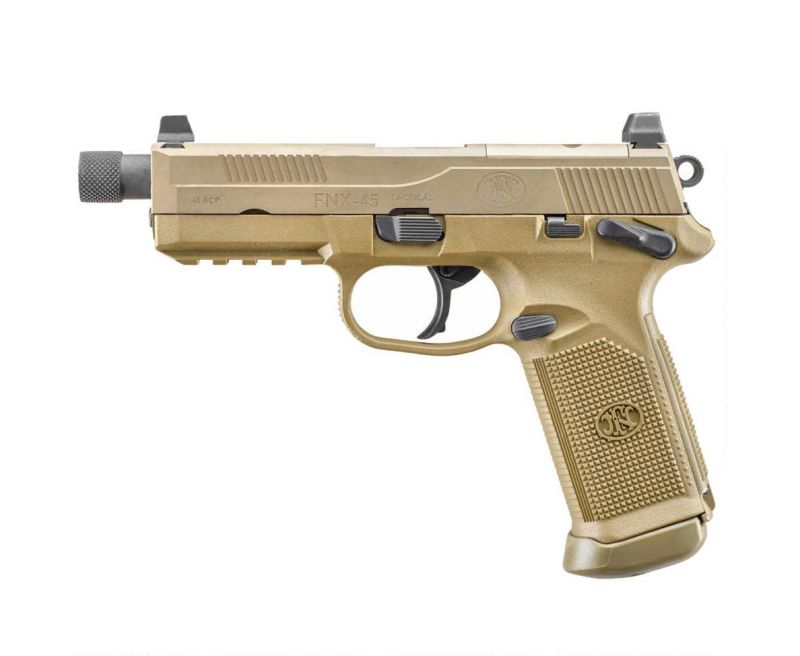
Complete Handgun Buyer’s Checklist: What to Look For Before You Buy
Purchasing a new sidearm requires balancing ergonomic fit, mechanical reliability, intended operational usage, and long-term ownership costs. Utilizing a complete handgun buyer’s checklist ensures that whether you are selecting a primary concealed carry pistol, a home defense sidearm, or a competitive target firearm, your final choice meets strict performance standards. Evaluating key firearm parameters before completing a transaction prevents costly buyer regret and guarantees your equipment aligns with your tactical goals. Shooters seeking high-performance handguns and tactical shooting accessories can browse available inventory at bulkammosupplyusa.com to examine top options.
Selecting the right pistol extends beyond basic brand recognition or aesthetic appeal. Furthermore, understanding frame geometry, firing mechanisms, optic readiness, and aftermarket support guarantees that your investment serves you reliably for decades. Consequently, serious marksmen, tactical operators, and responsible gun owners choose to submit direct orders for factory-fresh firearms and supporting shooting equipment to ensure total home defense readiness.
Step 1: Define Your Primary Operational Role
Before examining physical features, you must determine exactly how the handgun will function within your daily life. Matching frame sizes and action types to your primary application streamlines the selection process.
Concealed Carry (EDC)
Everyday carry (EDC) sidearms prioritize compact dimensions, light overall weight, and smooth exterior contours that eliminate snag hazards against clothing. Slimline micro-compacts and sub-compact pistols allow comfortable carry throughout the day without sacrificing necessary magazine capacity.
Home Defense & Nightstand Storage
Home defense handguns do not face concealment constraints. Selecting a full-size or crossover pistol frame provides longer sight radiuses, increased magazine capacity, and dedicated accessory rails for mounting high-lumen weapon lights and laser units. Furthermore, heavier frame masses absorb felt recoil effectively, speeding up target acquisition during low-light stress encounters.
Competition & Target Shooting
Competition handguns feature extended match-grade barrels, tuned single-action or flat-face triggers, crisp flared magazine wells, and optic-ready slide cuts. These features deliver hair-thin accuracy tolerances and lightning-fast reload speeds required on timed shooting stages.
Evaluating these categories ensures your sidearm selection matches your tactical intent. Shooters building out their personal defense inventory can easily place direct orders for performance sidearms at bulkammosupplyusa.com.
Step 2: Evaluate Firing Mechanisms & Action Types
Understanding how internal mechanisms function dictates how the gun operates under stress, how the trigger feels, and what manual safety protocols apply.
Striker-Fired Systems
Striker-fired handguns dominate the modern defensive handgun market due to their operational simplicity and consistent trigger pull weight from the first shot to the last. Because striker designs eliminate external hammers, drawing from a holster remains smooth and snag-free. Furthermore, passive internal drop safeties ensure the firearm will not discharge unless the trigger shoe is deliberately depressed.
Hammer-Fired Systems (DA/SA & SAO)
Hammer-fired handguns appeal to traditionalists and precision shooters who prefer distinct physical control over the hammer mechanism.
-
Double-Action/Single-Action (DA/SA): Features a long, heavy initial trigger press for the first shot that cocks and releases the hammer, followed by short, crisp single-action trigger pulls for subsequent shots as the slide cycles automatically.
-
Single-Action Only (SAO): Found on classic platforms like the 1911, SAO systems feature ultra-light, crisp trigger pulls. These firearms require manual thumb safety manipulation during drawing and holstering routines.
To review official manufacturing quality guidelines and chamber safety metrics, reference the SAAMI Ammunition & Firearm Technical Standards for complete industry details.
Step 3: Ergonomics, Grip Texture, and Control Access
A pistol can possess flawless internal mechanics, but if it does not fit your hand geometry, your accuracy will suffer. Modern handgun ergonomics focus on customizable grip interfaces and instinctive control access.
Modular Backstraps & Palm Swells
Top manufacturers include interchangeable grip backstraps and side panels with every handgun shipment. Swapping these panels adjusts the distance from the back of the grip to the face of the trigger shoe, allowing shooters with small, medium, or large hands to achieve proper finger placement.
Grip Texturing & Bore Axis Geometry
Aggressive grip texturing prevents the pistol frame from twisting inside your hands during rapid strings of fire or under wet, sweaty conditions. Additionally, choosing a frame with a low bore axis positions the barrel lower relative to your firing hand. This mechanical advantage directs recoil force straight back into your arm rather than lifting the muzzle upward.
Ambidextrous Controls
Left-handed shooters or those who train for off-hand emergency deployment must inspect control placement carefully. Look for slide release levers, magazine catch buttons, and manual safety selectors that are either ambidextrous or easily reversible from side to side.
Step 4: Sight Configurations & Factory Optic Cuts
Clear sight alignment dictates downrange accuracy. Evaluating factory sight packages saves you time and money on immediate aftermarket upgrades.
-
Factory Iron Sights: Basic plastic “Glock-style” sights wear down quickly under hard use. Prioritize handguns equipped with steel three-dot sights, high-visibility fiber optic front posts, or tritium night sights that glow in total darkness.
-
Optic-Ready (OR) Slide Cuts: Mounting a red dot sight onto your handgun dramatically increases target engagement speeds. Selecting an optic-ready model featuring factory slide cuts eliminates expensive custom gunsmith machining later.
-
Co-Witness Clearance: Ensure the slide geometry allows tall suppressor-height sights to co-witness through the lower third of your red dot optic window as a mechanical backup.
Shooters expanding their optical sight options can submit direct orders for optic-ready firearms and slide assemblies to elevate their range performance.
Step 5: Aftermarket Ecosystem & Ownership Costs
A complete handgun buyer’s checklist must account for the long-term cost of ownership, spare parts availability, and holster compatibility.
Magazine Costs & Availability
Factory magazines are consumable items that require routine replacement over extended range use. Common platforms like Glock, Smith & Wesson M&P, and SIG Sauer feature widely available magazines that sell at economical prices. Conversely, proprietary or niche handgun magazines can prove difficult to source and cost significantly more per unit.
Holster & Weapon Light Support
Carrying a defensive handgun safely requires a high-quality, rigid Kydex holster designed specifically for your exact firearm make and model. Before buying a rare or newly released pistol, confirm that reputable holster makers offer dedicated holsters that accommodate your preferred weapon-mounted light and optic setup.
Caliber Selection & Ammunition Economics
Selecting a common, high-volume caliber like 9mm Luger lowers your ongoing practice expense compared to niche options like .357 SIG or 10mm Auto. Cheaper training ammunition encourages higher round counts at the range, directly building your shooting proficiency.
Complete Pre-Purchase Inspection Checklist
When inspecting a handgun at the counter or unboxing a direct shipment at your local transfer dealer, follow this step-by-step physical inspection protocol:
-
Perform a Visual & Physical Safety Check: Ensure the firearm is completely unloaded, remove the magazine, and verify that the chamber is empty.
-
Inspect Slide-to-Frame Fit: Cycle the slide manually to check for smooth tracking without harsh grittiness, binding, or excessive loose side-play.
-
Test the Trigger Press: Dry fire the handgun (with dealer permission) to feel the pre-travel take-up, wall resistance, break cleanliness, and tactile trigger reset.
-
Examine the Bore & Crown: Inspect the interior barrel lands for smooth rifling, and confirm the muzzle crown is free of sharp gouges or impact dents.
-
Verify Magazine Ejection: Insert empty factory magazines and press the release button to ensure magazines drop freely without catching.
When you are ready to complete your sidearm setup, bulkammosupplyusa.com provides direct online ordering with fast fulfillment. Customers can easily review available inventory online and submit orders through our secure checkout system to receive factory-fresh firearms gear delivered directly to their chosen dealer.
Frequently Asked Questions
What is the best caliber for a first-time handgun buyer?
The 9mm Luger is universally recognized as the ideal starter caliber. It provides low felt recoil, manageable ammunition costs, high magazine capacities, and broad selection across every major firearm manufacturer.
Should my first handgun have a manual thumb safety?
Deciding on a manual safety comes down to personal training preferences. Modern striker-fired handguns incorporate multiple passive internal safeties that prevent discharges unless the trigger is pulled, making manual safeties optional if you use a quality holster that fully covers the trigger guard.
Is an optic-ready handgun worth the extra money?
Yes, buying an optic-ready handgun from the factory gives you the flexibility to install a red dot sight immediately or down the road without paying hundreds of dollars for custom slide milling.
What accessories should I buy alongside my new handgun?
Essential initial accessories include at least three spare factory magazines, a rigid Kydex holster, a strong gun belt, an airtight ammo can with bulk training ammunition, and proper eye/ear protection for the range.
Following a structured evaluation protocol ensures that your handgun investment delivers long-term mechanical reliability and shooting confidence. To upgrade your personal defense arsenal with certified firearms and gear, browse available inventory and submit orders today at bulkammosupplyusa.com.