
Bulk Ammo Storage Guide: How to Store Ammunition Long Term
Properly storing ammunition for extended periods is a fundamental aspect of responsible firearm ownership, and using a comprehensive Bulk Ammo Storage Guide can help you navigate the process. Whether you keep rounds for recreational shooting, hunting, competitive sports, or emergency preparedness, the right storage environment preserves reliability and prevents environmental degradation.
Ammunition is manufactured to withstand standard handling, field transit, and brief exposure to harsh weather. However, long-term stockpiling introduces unique variables that factory packaging was never designed to combat indefinitely. Heat, humidity, and chemical decomposition can quietly degrade components over years or decades. By implementing a systematic, professional approach, you can keep your supply completely functional and safe for a lifetime.
Why Proper Ammunition Storage Matters
Protecting Your Financial Investment Ammunition represents a significant financial commitment, especially when purchasing in case quantities or tracking down rare calibers. Market fluctuations, supply chain disruptions, and changing regulations often cause prices to spike, making a substantial inventory a valuable asset. Creating a stable storage setup shields your physical inventory from environmental conditions that cause physical deterioration, ensuring your hard-earned capital does not corrode away into useless scrap.
Ensuring Long-Term Reliability When rounds sit in a controlled environment, they maintain their original factory performance characteristics. Consistent storage practices prevent dangerous or frustrating issues like hangfires, squib loads, or complete misfires. These issues are almost always caused by chemical breakdown of the priming compound or case corrosion that compromises the structural integrity of the cartridge. For defensive or hunting applications, reliability is non-negotiable, making storage discipline a critical priority.
Understanding Component Vulnerability To appreciate the need for protection, one must understand what goes into a modern cartridge. A standard round consists of a casing, a primer, gunpowder, and a projectile. The primer contains a highly sensitive chemical compound that detonates upon impact. The gunpowder relies on precise burn rates to safely propel the bullet. If moisture or extreme heat compromises either of these chemical elements, the ammunition can become underpowered, erratic, or entirely inert.
Bulk Ammo Storage Guide: How Long Does Ammunition Last?
Environmental Factors That Affect Lifespan Modern factory ammunition can remain perfectly functional for a generation or more if kept in ideal conditions. Longevity depends almost entirely on external variables rather than an arbitrary expiration date. The core variables that dictate shelf life are temperature stability, relative humidity levels, exposure to direct moisture, container quality, and seal integrity.
The age of the cartridge matters far less than the environment where it lives. For deeper insights into shelf life and industry testing protocols, check out the [Insert Outbound Link: SAAMI ammunition storage guidelines].
Tips for Decades of Shelf Life Military surplus gear from the mid-twentieth century often shoots flawlessly today because it was kept in deeply controlled, subterranean bunkers or specialized depots. Keeping your personal storage spaces cool, dark, and dry is the single most effective way to mimic those institutional preservation results. When done correctly, centerfire ammunition can easily last thirty to fifty years without any noticeable loss in muzzle velocity or accuracy.
Rimfire versus Centerfire Longevity It is worth noting that rimfire ammunition, such as twenty-two long rifle, requires even greater care than centerfire rounds. Rimfire cartridges utilize a thinner brass casing and a primer compound spun into the rim of the case, which is inherently less sealed against the elements than a pressed centerfire primer. Consequently, rimfire stock should be prioritized for your most secure, climate-controlled containers to prevent premature degradation.
Bulk Ammo Storage Guide: Identifying the Main Threats to Your Supply
Moisture and Rust Protection Moisture is an immediate danger to brass, copper, and steel casings. Water contact damages cardboard factory packaging, causing it to wick moisture directly onto the metal surfaces. This kicks off oxidation, resulting in rust on steel casings or verdigris on brass. Always elevate your inventory off the ground to prevent contact with standing water, localized flooding, or concrete floor sweating.
Temperature Extremes Excessive heat accelerates the chemical decomposition of nitrocellulose-based gunpowder and priming compounds. When exposed to temperatures exceeding one hundred degrees Fahrenheit over prolonged periods, the stabilizers within the powder begin to deplete. This can lead to erratic burn rates, spikes in pressure, or a failure to ignite. Avoid storing your supply in attics, vehicles, or areas that receive direct sunlight through a window.
Managing Humidity Levels High humidity introduces airborne moisture that tarnishes metal over time, even without direct liquid contact. Relative humidity levels above sixty percent create an environment where surface corrosion can slowly take hold around the primer pocket and case mouth. Keeping humidity low is a critical baseline for any long-term preservation plan.
Chemical Contamination Dangers Another frequently overlooked threat is chemical contamination from oils, solvents, and cleaning penetrating fluids. Gun oils are designed to creep into tight spaces, which means they can easily seep around a bullet or primer cup if sprayed or applied heavily near stored ammunition. Once inside, these petroleum-based products can deactivate the priming compound or contaminate the powder charge, rendering the round useless.
The Ideal Setup for Longevity
Recommended Temperature Range A cool, consistent environment is ideal for long-term ammunition preservation. A climate-controlled closet, a dedicated pantry, or a dry room where temperatures stay between fifty and seventy degrees Fahrenheit works best. Dramatic shifts in temperature cause condensation inside sealed containers as the air warms and cools, which must be avoided at all costs.
Target Humidity Metrics Relative humidity should ideally remain below fifty percent within your storage area. Many owners utilize sealed containers alongside moisture-absorbing products to maintain an ultra-dry micro-climate inside their individual storage boxes, independent of the room’s ambient air.
Optimizing Your Storage Area A perfect setup meets specific criteria to ensure safety and longevity. The room must be cool and temperature-stable throughout changing seasons. It should be dry with low relative humidity and well-ventilated to prevent stagnant air pockets. The space must be organized and easy to navigate so you can inspect your stock without moving heavy piles constantly. Finally, it must be dark, away from direct sunlight, and completely secure from unauthorized access.
Evaluating Concrete Floor Risks Concrete floors naturally hold and release moisture through a process called vapor transmission. Storing cardboard boxes of ammunition directly on bare concrete is a recipe for ruined inventory, as the boxes will absorb the moisture from the floor over time. Always utilize shelving, pallets, or plastic risers to keep your containers at least a few inches off the floor.
Bulk Ammo Storage Guide: Choosing the Right Containers
Heavy-Duty Options for Loose Rounds Your choice of container acts as the primary shield against dust, insects, and damp air. Durable builds with functional seals offer the best defensive barrier against a changing environment. While factory cardboard boxes are convenient for retail display, they offer zero protection against the elements and should be placed inside a secondary protective enclosure for the long haul.
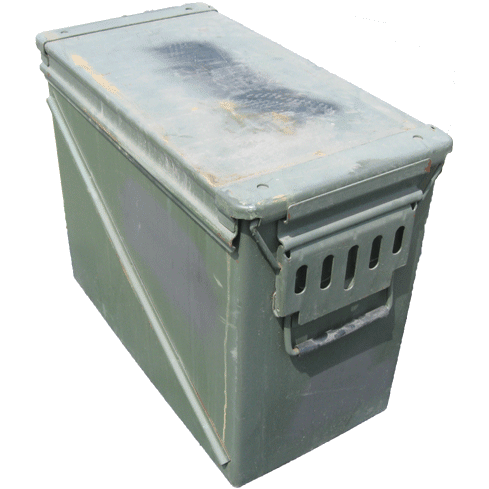
The Benefits of Military Surplus Cans M2A1 style steel cans, often used for fifty caliber or thirty caliber linked rounds, are highly popular for good reason. They feature heavy metal latching systems and thick rubber gaskets that lock out air and moisture entirely when clamped shut. These cans are stackable, incredibly durable, and designed to withstand rugged field conditions while keeping the contents pristine.
Utilizing Plastic Commercial Boxes Modern plastic utility boxes are also highly effective, provided they feature a prominent rubber O-ring seal in the lid and heavy-duty latches. Plastic cans have the added benefit of being entirely rust-proof themselves, and they are often lighter than their metal counterparts, making them easier to transport if you need to move your inventory quickly.
Inspecting Gasket Integrity Regardless of whether you choose metal or plastic, the container is only as good as its gasket. Before committing ammunition to a can, inspect the rubber seal for cracks, dry rot, or flattening. A simple way to check the seal is to close a strip of paper in the lid; if you can pull the paper out easily without resistance, the gasket is not sealing properly and needs to be lubricated with silicone grease or replaced entirely.
Adding Desiccants for Moisture Control
Silica Gel Recommendations Desiccant packs filled with silica gel actively pull residual moisture out of the air inside a sealed container. When you close an ammo can, you trap a certain amount of ambient air and humidity inside with the rounds. Dropping a fresh silica gel pack into every can ensures that this trapped internal air stays completely dry, preventing any microscopic condensation from forming on the casings.
Indicating Desiccants versus Standard Packs Standard silica packets are cheap and effective, but indicating silica gel packs offer a distinct advantage. These contain beads that change color from orange to green, or blue to pink, when they have absorbed their maximum capacity of moisture. This visual indicator allows you to inspect your canisters at a glance and know exactly when it is time to reactivate or replace the desiccant.
Recharging Your Dehumidifiers Many indicating silica gel packs and canister units are rechargeable. Instead of throwing them away when they saturate, you can place them in a standard kitchen oven at a low temperature for a few hours to drive off the moisture. This resets the beads to their original color, making them fully reusable for another cycle of long-term storage.
Comprehensive Prevention Strategies For maximum security across a large collection, combine multiple defensive layers. Place your cans on elevated wire shelving rather than directly on floor surfaces. Run an active, electronic dehumidifier in the main room to keep the ambient baseline low. Conduct regular visual checks on your canisters, and ensure all container seals remain supple, clean, and free of debris.
To learn more about setting up your room, view our [Insert Internal Link: guide on home gun room organization].
Bulk Ammo Storage Guide: Organizing Your Inventory Effectively
Implementing a Clear Labeling System Organization keeps your inventory efficient and stops you from opening sealed cans unnecessarily, which introduces fresh humidity to the environment. Mark your containers clearly using a standardized layout. Labels should feature the caliber and grain weight, the manufacturer and casing type, the total round count inside, and the exact date of purchase or storage.
Maintaining a Rotation Method Use a first-in, first-out inventory rotation system. By placing your oldest stock at the front or top of the pile, you ensure older rounds are spent at the range before newer acquisitions enter the rotation. This disciplined approach guarantees that no single batch of ammunition sits long enough to approach the limits of its usable lifespan.
Weight Management and Structural Integrity Ammunition is incredibly dense and heavy when packed in bulk. A single fifty-caliber ammo can filled with ninety-millimeter or twelve-gauge shells can weigh thirty to forty pounds. Ensure that the shelving units you use are rated for heavy industrial loads. Sagging wood or flimsy plastic shelves can collapse unexpectedly, damaging your containers or causing personal injury.
Categorization Strategies Group your inventory by platform or purpose rather than mixing different calibers in a single large container. Keep rifle ammunition separate from pistol calibers, and separate training ammunition from premium defensive or match-grade components. This saves immense time when preparing for a training session or audit.
Pitfalls and Common Mistakes to Avoid
Neglecting Environmental Control The most frequent errors include ignoring ambient humidity, failing to inspect container seals, and leaving inventory in volatile spaces like garages, uninsulated crawlspaces, or outdoor sheds. These areas experience extreme temperature swings between day and night, creating a pump effect that draws moist air past weak seals.
The Risks of Basement Storage Below-grade basements are naturally prone to dampness, pipe leaks, and flash flooding. If you must use a basement for your collection, running an active, continuous drainage dehumidifier is mandatory. You must also commit to keeping all containers high off the floor on heavy-duty steel shelving units to mitigate flood risks.
The Dangers of Vehicle Storage Leaving loose boxes of ammunition in a vehicle trunk or glove box exposes them to radical temperature spikes that can exceed one hundred and forty degrees Fahrenheit within a few hours during summer months. This intense heat ruins gunpowder stability rapidly. Keep vehicle transportation strictly temporary for trips to the range or field.
Over-Packing and Damaging Boxes When trying to maximize space, it is tempting to cram loose rounds into a canister as tightly as possible. However, loose ammunition rubbing together during transit can occasionally seat bullets deeper into the case or deform soft lead tips. If you remove ammunition from factory boxes, consider using plastic grid trays to keep the cartridges stable and protected from impact.
Safety and Security Standards
Responsible Management Practices Safe keeping involves more than just preserving the metal casings from rust. Secure your entire inventory behind locked doors, heavy-duty deadbolts, or inside a dedicated ammunition safe. Keeping your supply separate from firearms whenever possible adds an extra layer of security against unauthorized access by children or visitors.
Weight Distribution and Floor Loads If your bulk inventory grows to thousands of rounds, the cumulative weight can easily reach hundreds or thousands of pounds. When storing a massive collection on the upper floors of a residential home, you must consider the structural load limit of the flooring. Distribute the weight along load-bearing walls rather than stacking everything in the center of a room.
Fire Safety and First Responder Awareness In the rare and unfortunate event of a house fire, ammunition will cook off if exposed to high enough temperatures. Contrary to popular myths, loose ammunition cooking off outside of a firearm chamber does not turn into a volley of high-velocity bullets, as the lack of a barrel prevents pressure build-up. However, it still creates flying fragments and smoke. Consider storing your inventory in a fire-resistant cabinet and keeping a proper fire extinguisher nearby.
Compliance with Local Statutes Always review your regional, state, and federal guidelines to remain fully compliant with local volume limitations or zoning safety laws. Some jurisdictions place specific caps on the total weight of smokeless powder or primers that can be legally stored in a residential dwelling without specialized permits or commercial fire mitigation systems.
Future-Proofing Your Storage Strategy
Conducting Annual Audits Set a recurring date on your calendar once a year to perform a comprehensive audit of your bulk supply. Open a random sampling of containers to check the status of your indicating desiccants. Inspect the casings for any signs of discoloration, dullness, or corrosion, and update your inventory spreadsheets to reflect any consumption over the past year.
Upgrading Technology Over Time As your collection expands, move away from manual tracking and transition to digital asset management or barcode labeling if necessary. Investing in digital hygrometers that sync with your smartphone can provide real-time alerts if the temperature or humidity inside your dedicated storage room slips outside of your safe target parameters.
Summary Checklist for Long Term Success
To ensure your bulk inventory remains in peak condition for decades to come, commit to a simple routine based on the core pillars of preservation found in this Bulk Ammo Storage Guide. Choose high-quality containers with intact rubber seals. Supplement every container with a sufficient amount of silica gel to neutralize internal humidity. Keep your entire collection in a climate-controlled environment that avoids the destructive cycles of heat and dampness. Finally, manage your stock with clear labels and a strict chronological rotation system, protecting your investment and ensuring total reliability whenever the ammunition is needed.